Asil chicken
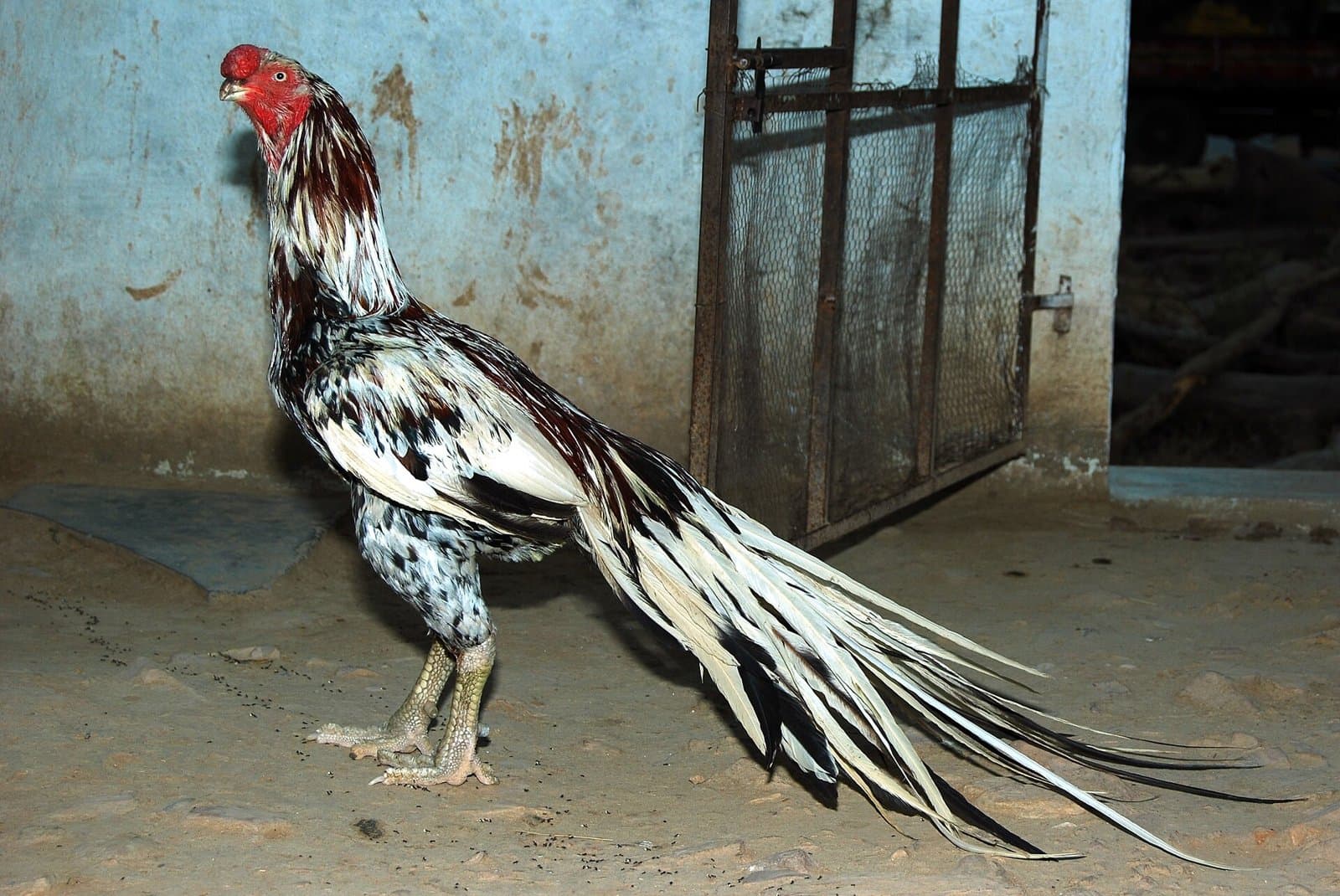
The Asil is one of the oldest game breeds in the world: a compact, very muscular bird kept today for exhibition and conservation rather than eggs or meat.
The Asil is a pure-bred chicken breed in the PCGB Asian Hard Feather class. Its origin is given as Punjab/Sindh, Indian subcontinent.
It is kept in large and bantam forms. It has no fixed colours. Typical adult weights: cock about 1.8–2.7 kg, hen about 1.35–2.25 kg, bantam cock about 1130 g and bantam hen about 910 g.
Expect roughly 5–20 eggs a year, with cream/tinted shells. It is mainly kept for exhibition or as an ornamental bird.
Compiled from poultryclub.org, poultrykeeper.com, en.wikipedia.org. See sources
Photos
From keepers' flocks
No keeper photos yet.
Keep this breed? Add your birds on Flockstock and share a photo from the bird's page. Go to my flock
Identity
- Species
- Chicken
- Type
- Pure breed
- PCGB class
- Asian Hard Feather
- Also known as
- Aseel, Asil (Aseel)
- Origin
- Punjab/Sindh, Indian subcontinent
- Kept for
- Exhibition or ornamental
History
It comes from the Indian subcontinent (the Punjab and Sindh region), where it was bred over many centuries for fighting. It reached Britain in the 1700s–1800s and helped found other breeds, notably the Indian (Cornish) Game.
Appearance
Short, hard plumage with a broad, flat back, thick neck, small pea comb and strong yellow legs. The British standard does not fix colours, so any colour is acceptable; black-reds and wheatens are common.
Recognised colours
No fixed colours
Size and weight
- Forms
- Large, Bantam
- Cock
- 1.8–2.7 kg
- Hen
- 1.35–2.25 kg
- Bantam cock
- 1130 g
- Bantam hen
- 910 g
Eggs
- Eggs a year
- 5–20
- Egg colour
- Cream/tinted
- Notes
- A very poor layer, typically under 20 tinted eggs a season. Hens are reliable sitters and fierce, protective mothers.
Temperament
- In short
- Calm with handlers; extremely aggressive towards other chickens
- Keeping notes
- Usually calm and tame with people, but cocks and often hens will fight other chickens to the death, so they must be kept apart or in single-breed setups.
Hardiness
Hardy
Broodiness
Goes broody readily; excellent, protective mother
Flying
Heavy and poor flyer
Suitability
- Beginners
- Not suitable for beginners
- Children
- Not recommended with mixed flocks; usually handleable
- Good to know
- Slow to mature (up to two years). Needs secure, separate housing; not a mixed-flock bird.
Conservation status (RBST)
Not on the Rare Breeds Survival Trust's priority list.
Breed club
- The Asian Hardfeather Club, umbrella
Sources
This page is compiled from:
Review
Nothing is flagged on this page at the moment. Breeds and strains vary, so check with a breeder or club too.
Suggest a change
Spotted something wrong or missing? Tell us what it should say, and we'll review it.