Pekin chicken
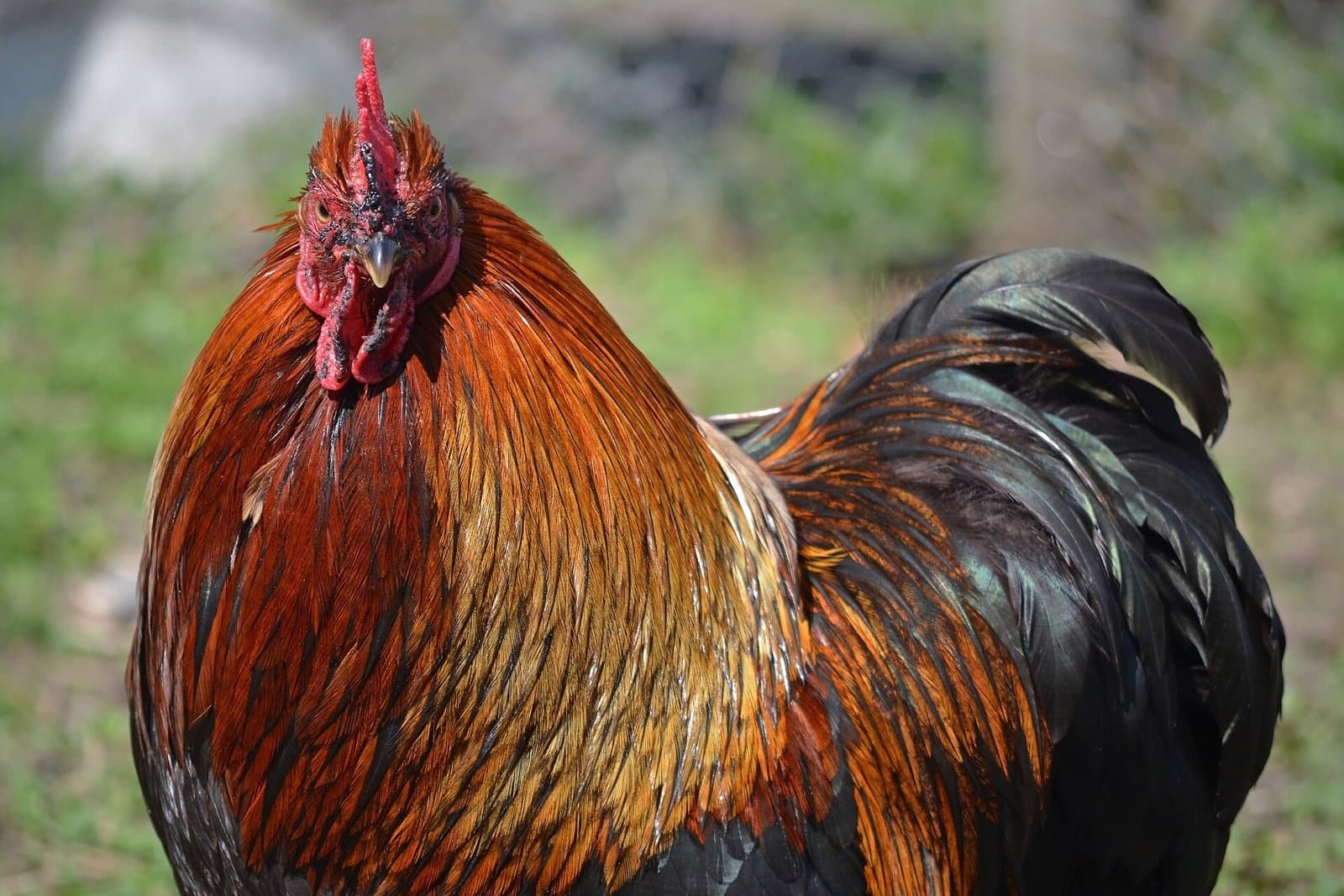
The Pekin is a round, feather-footed British true bantam and a firm favourite as a pet.
The Pekin is a pure-bred chicken breed in the PCGB True Bantam class. Its origin is given as China / UK.
It is kept in bantam form. Recognised colours: Black, Blue, Buff, Cuckoo, Mottled, Barred, Birchen, Columbian, Lavender, Partridge, Silver Partridge, White. Typical adult weights: cock about 680 g max and hen about 570 g max.
Expect roughly 120–160 eggs a year, with white shells. It is mainly kept for exhibition or as an ornamental bird.
Compiled from poultryclub.org, poultrykeeper.com, en.wikipedia.org. See sources
Photos
From keepers' flocks
No keeper photos yet.
Keep this breed? Add your birds on Flockstock and share a photo from the bird's page. Go to my flock
Identity
- Species
- Chicken
- Type
- Pure breed
- PCGB class
- True Bantam
- Origin
- China / UK
- Kept for
- Exhibition or ornamental
History
The first Buffs were said to come from the Emperor's palace gardens at Peking, looted in 1859. Later imports and crosses added colours. Outside the UK it is known as the Cochin bantam.
Appearance
Very round with heavily feathered legs and feet. Many UK colours, including Buff, Black, Lavender, Mottled and Partridge. Cocks reach 680 g at most.
Recognised colours
Black, Blue, Buff, Cuckoo, Mottled, Barred, Birchen, Columbian, Lavender, Partridge, Silver Partridge, White
Size and weight
- Forms
- Bantam
- Cock
- 680 g max
- Hen
- 570 g max
Eggs
- Eggs a year
- 120–160
- Egg colour
- White
- Notes
- Poultrykeeper gives 120–160 white or cream eggs.
Temperament
Not recorded yet.
Hardiness
Not recorded yet.
Broodiness
Not recorded yet.
Flying
Not recorded yet.
Suitability
Not recorded yet.
Conservation status (RBST)
Not on the Rare Breeds Survival Trust's priority list.
Breed club
- The Pekin Bantam Club, breed-specific
Sources
This page is compiled from:
Review
Nothing is flagged on this page at the moment. Breeds and strains vary, so check with a breeder or club too.
Suggest a change
Spotted something wrong or missing? Tell us what it should say, and we'll review it.