Czech goose
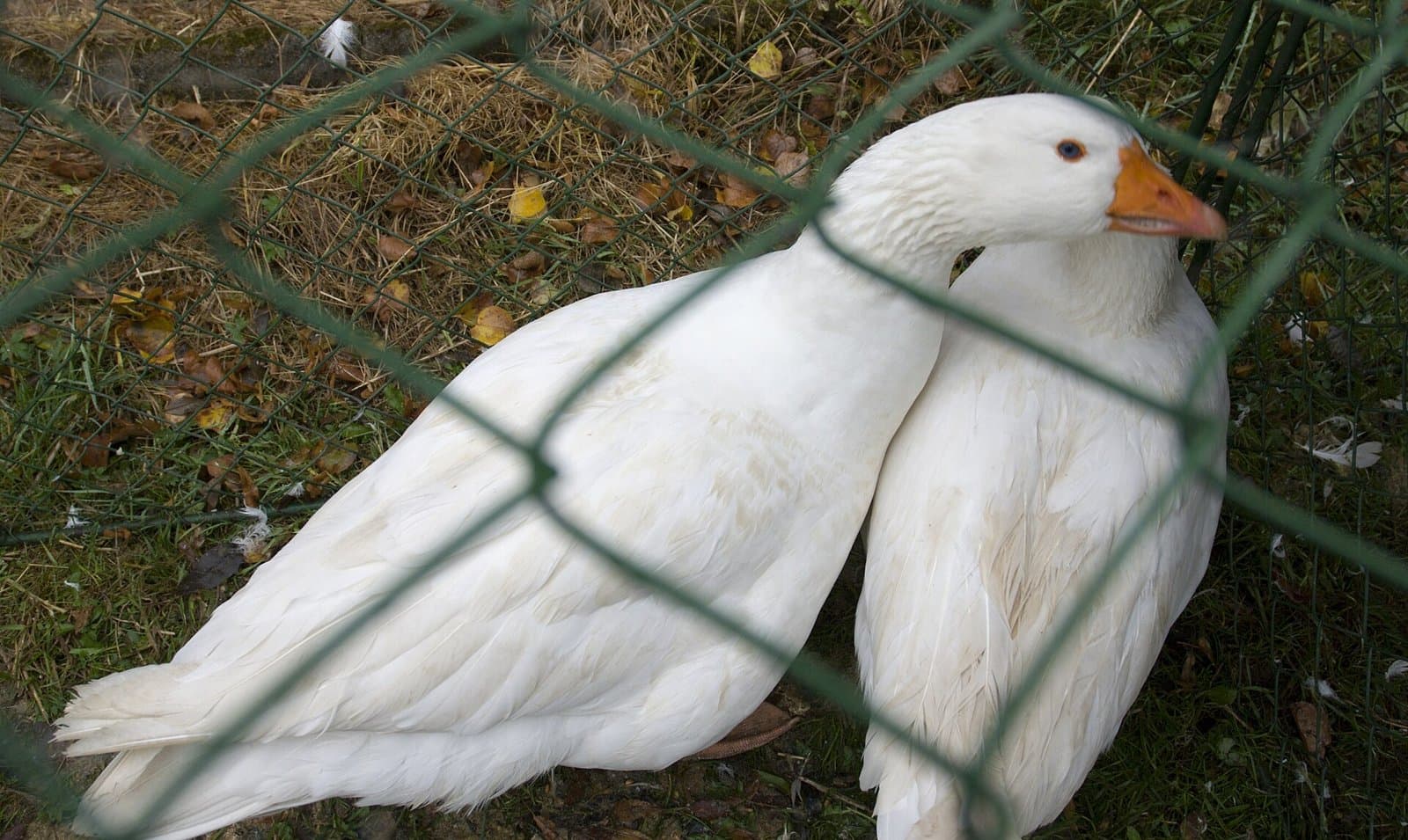
The Czech is a small, lively white goose from Bohemia. It is the lightest goose breed and suits keepers short of space.
The Czech is a pure-bred goose breed in the PCGB Light class. Its origin is given as Bohemia, Czech Republic.
It is kept in light form. Recognised colours: White. Typical adult weights: gander about 5–5.5 kg and goose about 4–4.5 kg.
Expect roughly 10–25 eggs a year, with white shells. It is mainly kept for the table.
Compiled from poultryclub.org, domestic-waterfowl.co.uk, poultrykeeper.com, waterfowl.org.uk, en.wikipedia.org. See sources
Photos
From keepers' flocks
No keeper photos yet.
Keep this breed? Add your birds on Flockstock and share a photo from the bird's page. Go to my flock
Identity
- Species
- Goose
- Type
- Pure breed
- PCGB class
- Light
- Origin
- Bohemia, Czech Republic
- Kept for
- Table
History
It is known at home as Česká husa. Birds went to East Germany in the 1960s, where the modern breed was developed. It was raised for the table and for feathers, which were a valuable export. The UK standardised it in 2008.
Appearance
Plump, broad and oval, with little paunch, a sturdy short neck and an orange bill and legs. It comes with or without a crest. Wikipedia gives ganders 5.5–6.6 kg and geese 3.5–5.6 kg.
Recognised colours
White
Size and weight
- Forms
- Light
- Gander
- 5–5.5 kg
- Goose
- 4–4.5 kg
Eggs
- Eggs a year
- 10–25
- Egg colour
- White
- Notes
- Wikipedia gives roughly 10–20 eggs of about 120 g.
Temperament
- In short
- Lively
- Keeping notes
- BWA calls it hardy, a 'good doer' and seemingly disease-resistant.
Hardiness
Hardy
Broodiness
Not recorded yet.
Flying
Not recorded yet.
Suitability
- Good to know
- A good fit where space is limited.
Conservation status (RBST)
Not on the Rare Breeds Survival Trust's priority list.
Breed club
- The Goose Club, umbrella · Website
Sources
This page is compiled from:
Review
Nothing is flagged on this page at the moment. Breeds and strains vary, so check with a breeder or club too.
Suggest a change
Spotted something wrong or missing? Tell us what it should say, and we'll review it.