Chinese painted (King) quail
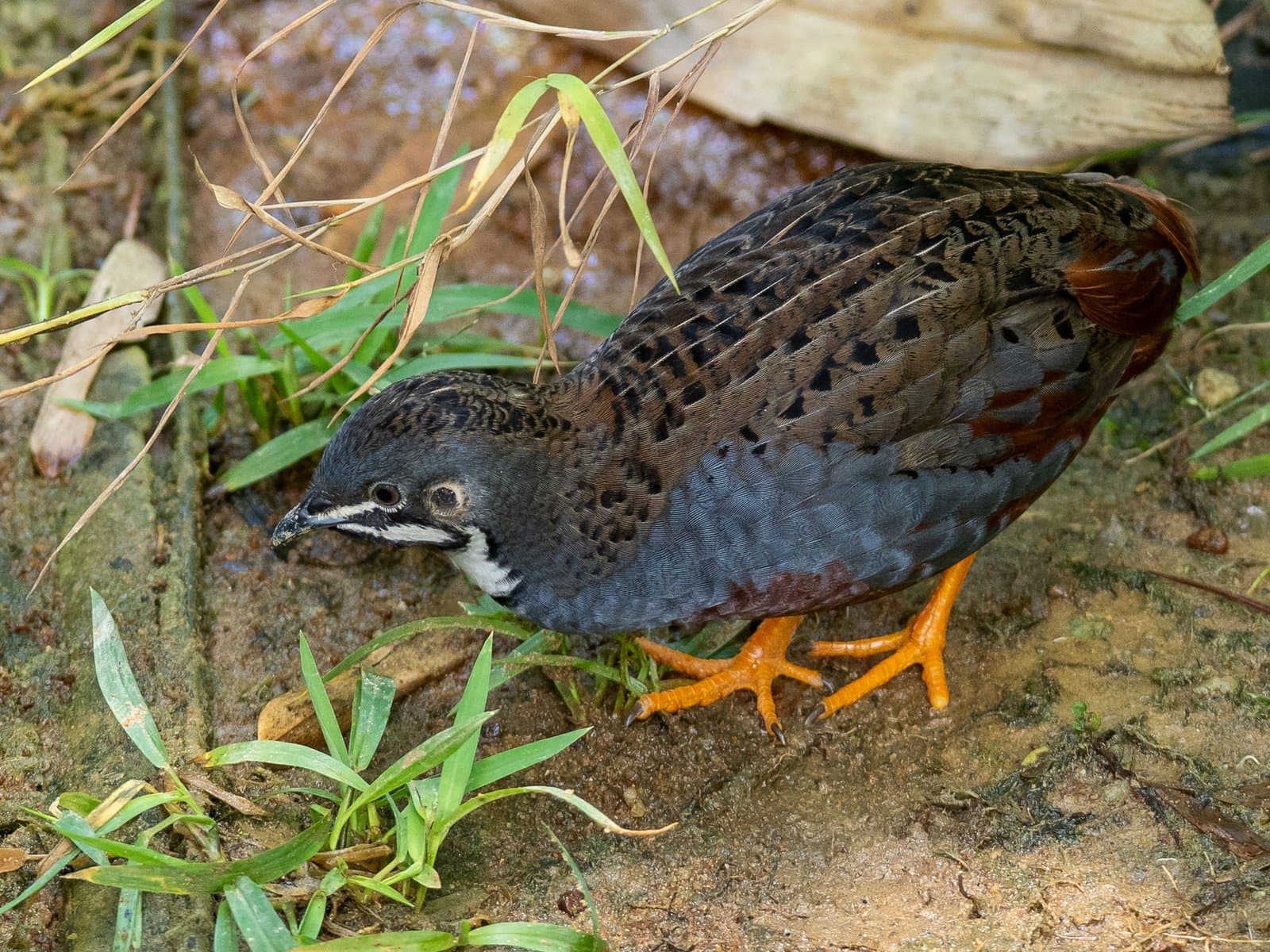
The king (Chinese painted) quail is the smallest galliform bird, popular as a ground-dwelling aviary bird.
Some details are still being checked. Anything marked unconfirmed or reported may change. Suggest a change
The Chinese painted (King) quail is a pure-bred quail breed. Its origin is thought to be South and South-East Asia to Australia (wild range), which we are still checking.
It is kept in standard form. Recognised colours: Wild type, Silver, Red-breasted, White, Fawn.
It lays olive/speckled eggs.
Compiled from en.wikipedia.org. See sources
Photos
From keepers' flocks
No keeper photos yet.
Keep this breed? Add your birds on Flockstock and share a photo from the bird's page. Go to my flock
Identity
- Species
- Quail
- Type
- Pure breed
- Origin
- South and South-East Asia to Australia (wild range) (unconfirmed)
History
Also called the Asian blue or blue-breasted quail, it is sometimes wrongly called 'button quail', though it is unrelated to the buttonquails. It has long been popular in aviculture, and many mutations have been developed.
Appearance
12–15 cm long and 20–57 g. Wild-type males have a dark brown back, blue-grey flanks, red-brown underparts and a black-and-white throat. Captive colours include Silver, White, Cinnamon, Golden Pearl, Red-breasted and Blueface; females never come in blue shades.
Recognised colours
Wild type, Silver, Red-breasted, White, Fawn
Size and weight
- Forms
- Standard
Eggs
- Egg colour
- Olive/speckled
- Notes
- Light creamy-brown, slightly pointed eggs. Wild clutches are 4–7 eggs, and incubation lasts 16–18 days in the wild or 18–23 in captivity.
Temperament
- Keeping notes
- Hardy once settled, and keeps the aviary floor clean because it lives entirely on the ground. Feed seeds plus fruit and vegetables, and give breeding hens shell grit to prevent egg binding. Separate chicks at about four weeks.
Hardiness
Hardy once settled
Broodiness
Not recorded yet.
Flying
Chicks fly at about one month
Suitability
- Good to know
- Lives 3–6 years in captivity, occasionally up to 13. Captive pairs are reported to be monogamous.
Conservation status (RBST)
Not on the Rare Breeds Survival Trust's priority list.
Breed club
Not recorded yet.
Sources
This page is compiled from:
Review
Some details are still being checked. In particular: origin.
Suggest a change
Spotted something wrong or missing? Tell us what it should say, and we'll review it.