Call duck
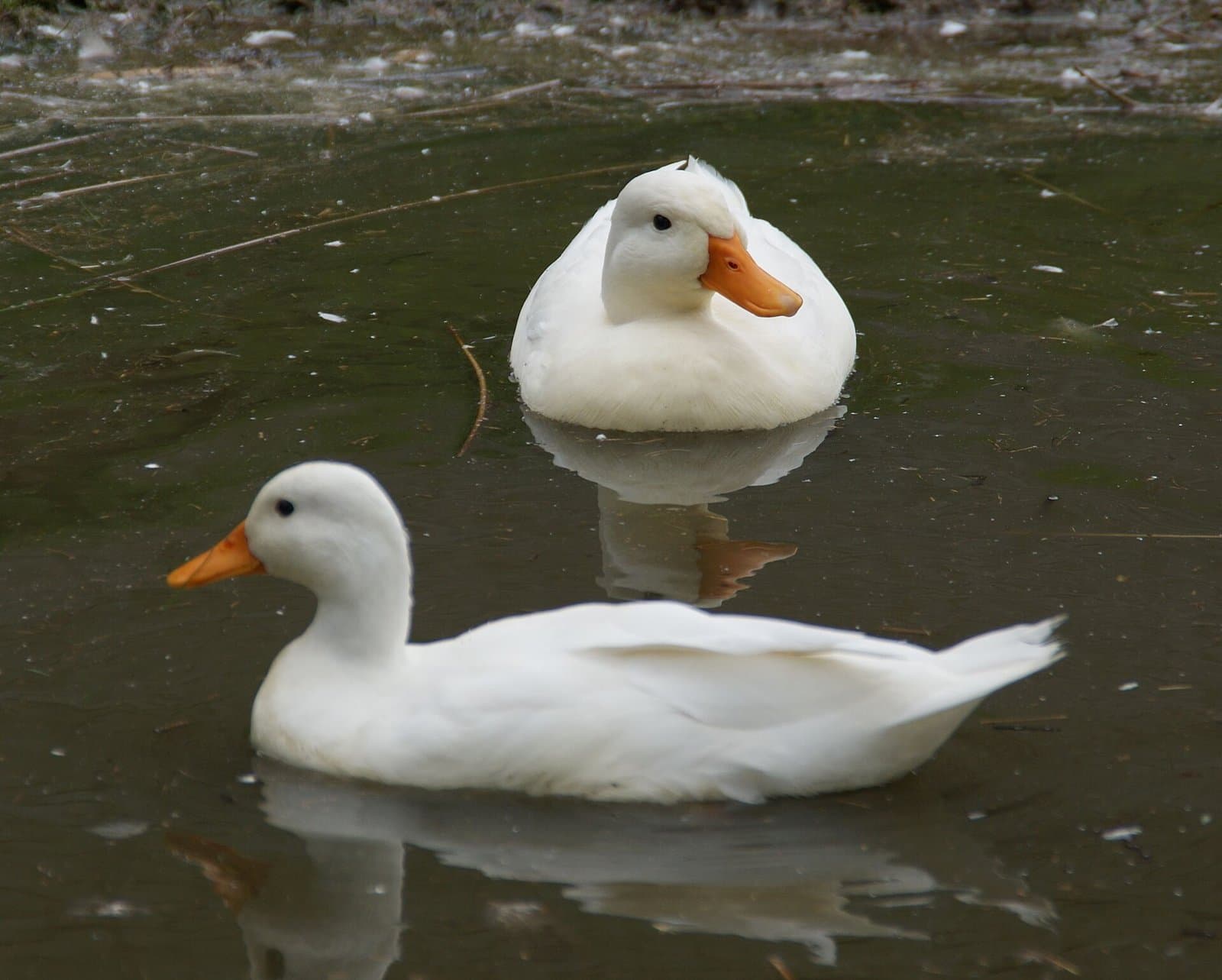
The Call is the smallest domestic duck, at about 800 g. It has a round head, a very short bill and a famously loud voice in the female. It is now the biggest class at many waterfowl shows.
Some details are still being checked. Anything marked unconfirmed or reported may change. Suggest a change
The Call is a pure-bred duck breed in the PCGB Bantam class. Its origin is given as Netherlands.
It is kept in bantam form. Recognised colours: White, Grey, Dark Silver, Silver, Apricot, Bibbed, Blue Fawn, Magpie, Pied, Snowy, Yellow-bellied, Chocolate, Black. Reported adult weights: drake about 600–700 g and duck about 500–600 g.
Reported figures are 50–150 eggs a year, with white/cream shells. It is mainly kept for exhibition or as an ornamental bird.
Compiled from poultryclub.org, domestic-waterfowl.co.uk, poultrykeeper.com, waterfowl.org.uk, en.wikipedia.org. See sources
Photos
From keepers' flocks
No keeper photos yet.
Keep this breed? Add your birds on Flockstock and share a photo from the bird's page. Go to my flock
Identity
- Species
- Duck
- Type
- Pure breed
- PCGB class
- Bantam
- Origin
- Netherlands
- Kept for
- Exhibition or ornamental
History
Call ducks were bred to lure wild ducks into decoy traps in the Netherlands and the English Fens. Their old English name, the Decoy Duck, comes from the Dutch for a trap or cage. Dutch paintings show similar small ducks from the 1600s. The breed was in Britain by 1850 and was among the four ducks in the first standard of 1865. Calls were rarely shown between 1900 and the 1970s. A 1971 standard revived them, and their popularity took off within a decade.
Appearance
Tiny and compact, with a short, broad bill and a rounded skull. About twenty colours are recognised in the Netherlands, and the UK has a similar number.
Recognised colours
White, Grey, Dark Silver, Silver, Apricot, Bibbed, Blue Fawn, Magpie, Pied, Snowy, Yellow-bellied, Chocolate, Black
Size and weight
- Forms
- Bantam
- Drake
- 600–700 g
- Duck
- 500–600 g
These weights are reported and not yet verified.
Eggs
- Eggs a year
- 50–150 (reported, not yet verified)
- Egg colour
- White/cream
- Notes
- Not a strong layer. The BWA describes ducks laying in small clutches in spring.
Temperament
- In short
- Friendly pet duck; females very noisy
- Keeping notes
- BWA calls them excellent pets that are cheap to keep and easy to transport. But the ducks' piercing call carries a long way, so they are a poor choice with close neighbours. Drakes are much quieter. Being light, Calls can fly (unconfirmed).
Hardiness
Not recorded yet.
Broodiness
Not recorded yet.
Flying
Can fly (unconfirmed)
Suitability
- Beginners
- Good pet according to BWA
- Good to know
- Easy to keep, but hard to breed to a winning show standard. Wikipedia notes the breed was classed as endangered in the Netherlands in 2017.
Conservation status (RBST)
Not on the Rare Breeds Survival Trust's priority list.
Breed club
- British Call Duck Club, breed-specific · Website
Sources
This page is compiled from:
Review
Some details are still being checked. In particular: flying.
Suggest a change
Spotted something wrong or missing? Tell us what it should say, and we'll review it.